Why 50 or 100 Pieces Matters for Your Brand?
Minghang Garments transparently breaks down the fabric science and economics behind MOQ.
Why Can’t I Just Order 30 Pieces?
——Understanding MOQ Realities
As a startup founder, you want to test the market with minimal risk—holding as little stock as possible. This is where you encounter a critical industry term: MOQ (Minimum Order Quantity).
You might see some suppliers advertising “0 MOQ” or “30 pcs per design,” and it sounds perfect for a lean launch. But where does that number come from, and why does Minghang Garments typically start at 50 or 100 pieces per style per color?
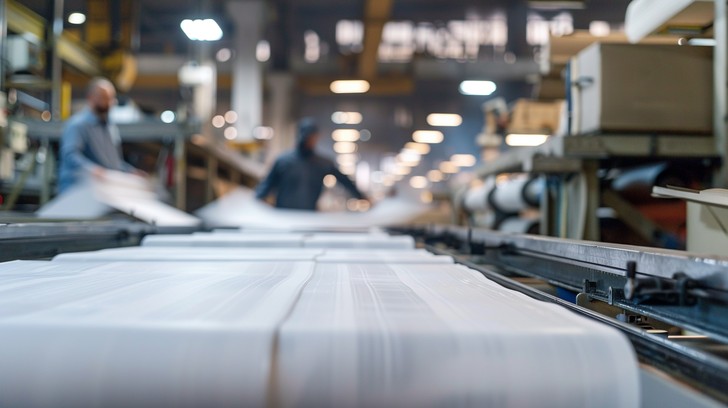
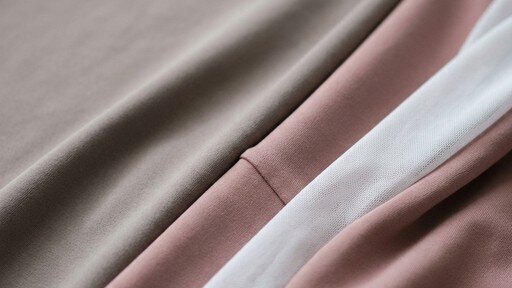
The answer lies under a microscope: in the fabric, the dyeing process, and the cutting table. A lower upfront MOQ doesn’t always mean a better deal; it often means you’re compromising on fabric exclusivity, color consistency, and long-term cost efficiency. This guide explains the math and material science behind our numbers, so you can make the best strategic decision for your clothing brand.
The Hidden Cost of “0 MOQ” Stock Fabric
Suppliers offering extremely low MOQs (e.g., 30 pcs) are almost always using deadstock or standard stock fabrics sitting on their shelves. The business model is simple: cut whatever you want from a pre-existing roll, sew it, and ship it. This isn’t inherently bad, but it limits your brand in ways you need to understand.
No exclusivity
Your “signature buttery-soft legging” uses the exact same fabric as 50 other small brands. In a saturated market, you lose a crucial point of differentiation.
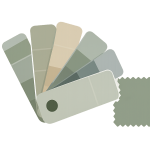
Limited color matching
You can only choose from what’s on the shelf. If your brand identity demands a specific shade of sage green, a “close enough” stock fabric dilutes your branding.
Inconsistent restocks
If your product takes off and you need to reorder, the supplier might have run out of that stock lot. Your next batch could feel completely different (a softer hand-feel, a tighter stretch), causing customer returns and eroding trust. Brand consistency becomes a gamble.
The 50-Piece Base for Stock Colors (Item/Style/Color)
If you select a color from our existing stock library of activewear and streetwear fabrics, our base MOQ is generally:
· 50 pieces per style per color.
· A minimum of 10 pieces per size in that colorway.
The 100-Piece Base for Yoga and Activewear (Per Color)
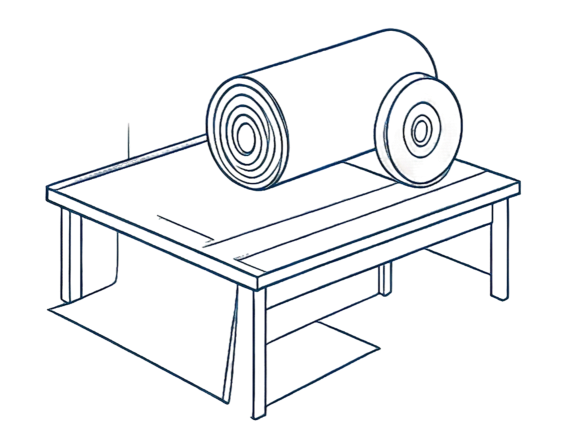
For performance fabrics—particularly athleisure and yoga wear with high spandex content—we set the MOQ at 100 pieces per style per color.
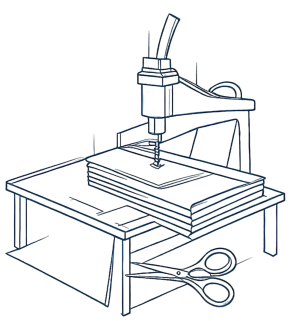
Why 50? It’s the math of the cutting table.
Fabric yield per kilogram:
Our Standard MOQs
—Explained Like Your Factory Floor
At Minghang Garments, we don’t cut from “whatever’s available.” We plan your fabric procurement precisely against your order. This precision dictates a minimum quantity because of fabric roll widths and buying lengths.
The 50-Piece Base for Stock Colors (Item/Style/Color)
If you select a color from our existing stock library of activewear and streetwear fabrics, our base MOQ is generally:
· 50 pieces per style per color.
· A minimum of 10 pieces per size in that colorway.
Why 50? It’s the math of the cutting table.
The 100-Piece Base for Yoga and Activewear (Per Color)
For performance fabrics—particularly athleisure and yoga wear with high spandex content—we set the MOQ at 100 pieces per style per color.
Fabric yield per kilogram:
Our Standard MOQs
—Explained Like Your Factory Floor
At Minghang Garments, we don’t cut from “whatever’s available.” We plan your fabric procurement precisely against your order. This precision dictates a minimum quantity because of fabric roll widths and buying lengths.
The 50-Piece Base for Stock Colors (Item/Style/Color)
If you select a color from our existing stock library of activewear and streetwear fabrics, our base MOQ is generally:
· 50 pieces per style per color.
· A minimum of 10 pieces per size in that colorway.
The 100-Piece Base for Yoga and Activewear (Per Color)
For performance fabrics—particularly athleisure and yoga wear with high spandex content—we set the MOQ at 100 pieces per style per color.
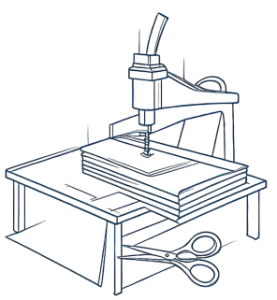
Why 50? It’s the math of the cutting table.
- A standard roll of fabric is wide enough to cut multiple panels.
- When we buy fabric, a single roll might yield enough for 65-70 units of your garment.
- If we buy less fabric, we can’t start the roll. If you only want 25 units, we’d still need to purchase the minimum piece length from the mill.
- The remaining 40+ units’ worth of fabric becomes “shelf stock”—a cost the factory must absorb.
- That absorption either makes your order unprofitable for us, or we have to charge you a steep premium to cover the deadstock carrying cost.
Fabric yield per kilogram:
- Take a typical 210–220 gsm yoga fabric: one kilogram yields approximately 3.3 meters of fabric—significantly more than heavyweight fleece or sweatshirt material.
- Since a standard fabric roll weighs about 25–28 kg, a single roll of yoga fabric produces far more meters and ultimately more finished garments.
- If the MOQ were set too low, we would be forced to purchase excess fabric that translates into many surplus pieces, creating waste and driving up your unit cost.
- A 100-piece MOQ ensures that fabric procurement aligns accurately with your order quantity, minimizing deadstock and keeping your costs predictable.
Custom Pantone Colors? The Dyeing Deep-Dive
What if our stock colors aren’t right, and you need a specific Pantone shade? This takes us into two distinct worlds of textile coloration, each with its own MOQ and quality trade-off. Your choice directly impacts color fastness, stretch recovery, and brand perception.
Yarn-Dyed Fabric
(Highest Quality, Highest MOQ)
“The color lives in the core.”
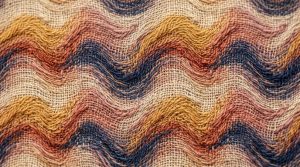
We take the raw yarn and dye it before it’s knitted or woven into fabric.
The Benefit
- Unmatched color depth and fastness.
- For yoga and activewear, this is critical.
- When yarn-dyed fabric stretches over a knee or an elbow, it does not “grin” or turn white.
- The color is integral, not just a surface coating.
- Your product looks premium through every pose and movement.
The Cost & MOQ
- High.
- Mills require significant quantities to set up a yarn-dyeing vat for a custom shade.
- This method involves substantial initial fabric development and a purchase order that reflects a production run, often several hundred to over a thousand yards.
- This is the route for established brands scaling a hero product.
Piece Dyeing
(Lower MOQ, Controlled Risk)
“Take a white fabric and dip it.”
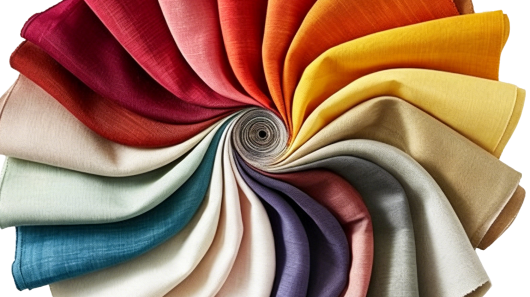
We purchase greige fabric (raw, unbleached, undyed fabric) and then dye the whole fabric roll in your custom Pantone shade.
The Benefit
- The minimum order quantity is significantly lower than yarn-dyeing. It opens the door to custom colors for smaller, carefully planned capsule collections.
The Risk We Help You Navigate:
- Color stability & Shading: Piece-dyed fabric can have slight differences between the edge and the center of the roll, or between the beginning and end of the dye bath. This is a physical reality.
- Stretch “grin”: Because the dye sits on the surface, there’s a higher risk of lightening at high-stretch points compared to yarn-dyed.
- Batch-to-batch variation: A reorder of the same Pantone number five months later will likely have a subtle shift.
At Minghang, we are transparent about these limits. We will only proceed with piece dyeing if we are confident our dye house can meet an acceptable lab dip standard against your reference. We show you the lab dips and explain the tolerance, so you make an informed choice, rather than being surprised by delivery.
The Real Price of a “30-Piece” Order—A Cost Analogy
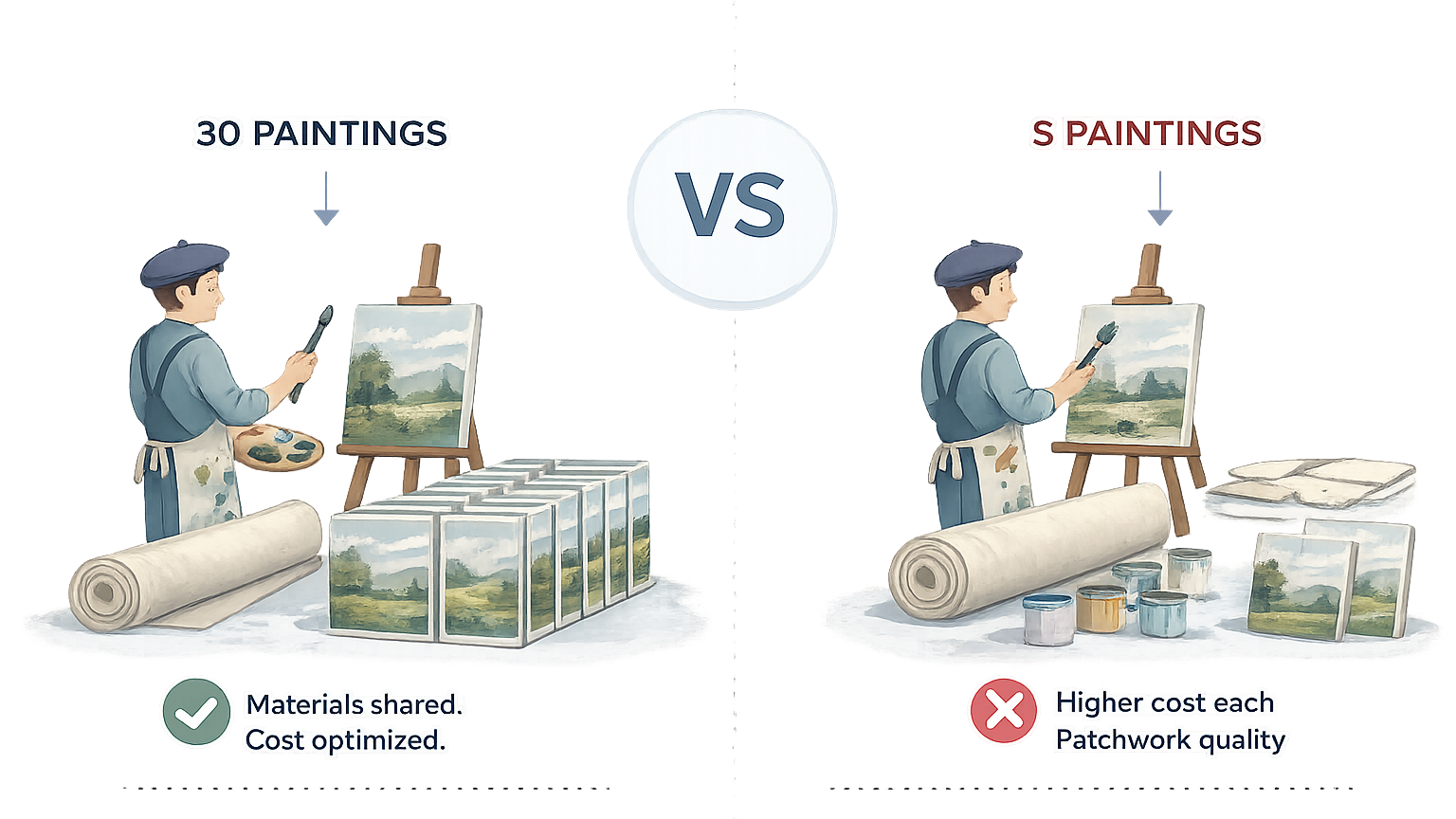
Think of a clothing order like buying a custom-tailored canvas for a painting. If you buy 30 paintings from an artist, they can buy the exact canvas roll, mix a batch of custom paint, and cut exactly what’s needed. The price per painting is optimized.
If you ask for only 5 paintings, the artist still has to buy the whole canvas roll and mix the same total volume of paint. They will spread that cost onto your 5 paintings, making them vastly more expensive. Or, they’ll use leftover canvas scraps and leftover paint from someone else’s job—and you’ll get a patchwork product.
This is your MOQ choice as a clothing brand:
Made Exactly For You
Leftover Fabric
We help you find the viable middle ground: piece-dyed for a bit of customization at lower minimums, yarn-dyed for a premium signature line.
When you choose our standard MOQs,
you are not just buying garments; you are paying for :
Our process eliminates surprise “overflow stock” and hidden surcharges, letting you plan a profitable, repeatable business from day one.
fabric mill commitment

cutting precision

and color integrity
In Short: Our MOQ Philosophy
Stock Fabric Colors
General wear & streetwear
50
pcs/
(min. 10 pcs/size)
Stock Fabric Colors
High-stretch yoga/activewear
100
pcs/style/color
Custom Pantone
Piece Dyeing
Lower than yarn-dyed
but batch stability requires careful acceptance. We guide you.
Custom Pantone
Yarn Dyeing
Highest MOQ
but results in a signature fabric that won’t grin white when stretched.
Why we don’t do 25: You’d pay a steep premium for the un-used fabric we’re forced to buy, or we’d have to cut corners on lay-lot planning, causing size and stitching inconsistencies.
Frequently asked questions:
A “0 MOQ” factory typically means they have no order minimum because they only make what the existing material on hand allows. That material is generic. It’s fine for a one-off sample run or a hobby project. A brand needs supply chain continuity and fabric consistency. Our MOQ is built on procurement minimums; it’s the entry ticket to a fabric supply chain you can rely on for the next 3 years, not just your next 3 weeks.
We calculate MOQ per color, not per overall design set. If your hoodie has a contrast drawcord and a body fabric, the body fabric carries the MOQ; we’ll discuss trims as a secondary component. This is where you can often customize with lower-impact trims.
Launch with a tight color palette—two colors, three core sizes (S, M, L). That’s a perfectly manageable first run. By keeping your color options focused, you meet the MOQ easily and project a strong, curated brand image. Once you have sell-through data from those first 50 units, your next order is low-risk and driven by customer demand.
In fabric procurement, there’s always a small calculation margin—a mill-standard allowance of 5-10% more or less than the ordered length. When your order is very small (say 30 pcs), this margin hits harder. If we buy a little too much, you don’t want to pay for 7 extra, unsellable garments. If we buy a little too little, we can’t complete your order. Our MOQs are sized so this margin becomes a negligible background calculation, not a make-or-break bill. We absorb normal, planned loss within our per-unit costing.
Ready to plan your first realistic, profitable production run
Let’s find the right fabric and MOQ structure for your brand.