Ketrans company provides one-stop production and shipping of CSP components for CSP transformers, offering excellent performance at competitive prices.
CSP Components for CSP Transformers
CSP (Completely Self-Protected) transformers rely on a combination of internal protection devices and auxiliary components to ensure safe, reliable, and maintenance-free operation.
What Are CSP Components?
CSP components are built-in protection and monitoring devices integrated into a CSP transformer. They provide:
- Overcurrent protection
- Short-circuit protection
- Surge and lightning protection
- Secondary overload protection
- Trip indication
- Emergency manual control
Main CSP Components Used in CSP Transformers
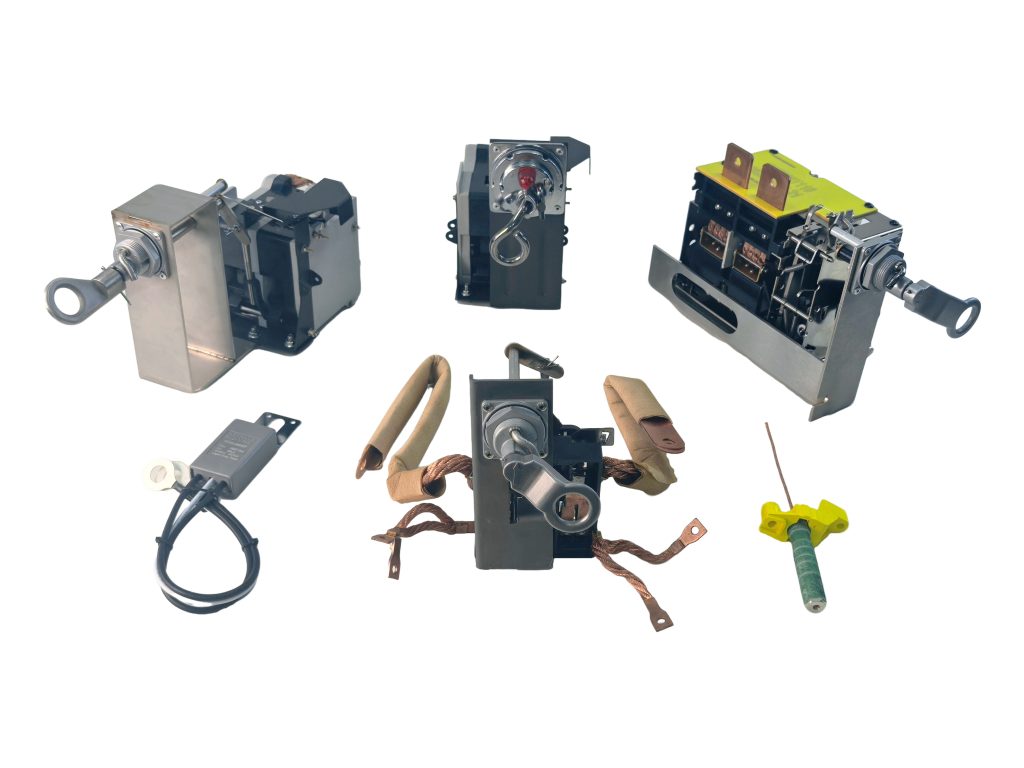
CSP Components
There are several CSP components for completely self-protected distribution pad-mount and pole mount distribution transformer, such as the low voltage CSP breaker, the low voltage arrester, the high voltage expulsion fusible and the High voltage lighting arrester. CSP design provides maximum protection against transformer failure and disruptive outages.
low cost | high performance | Efficient
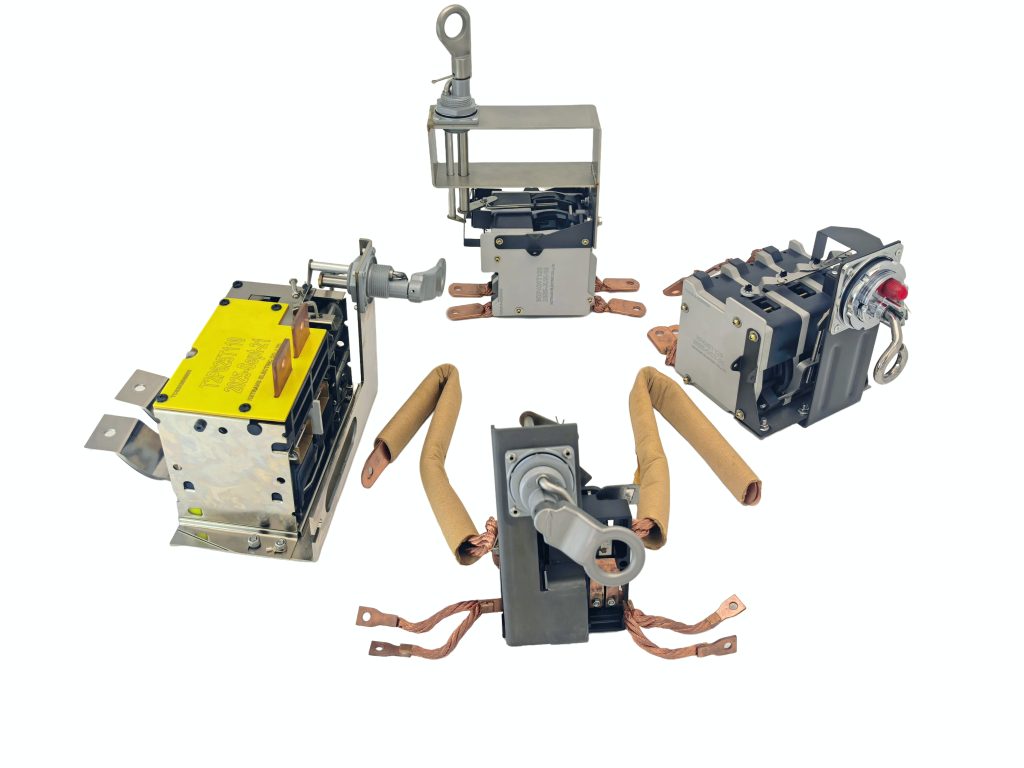
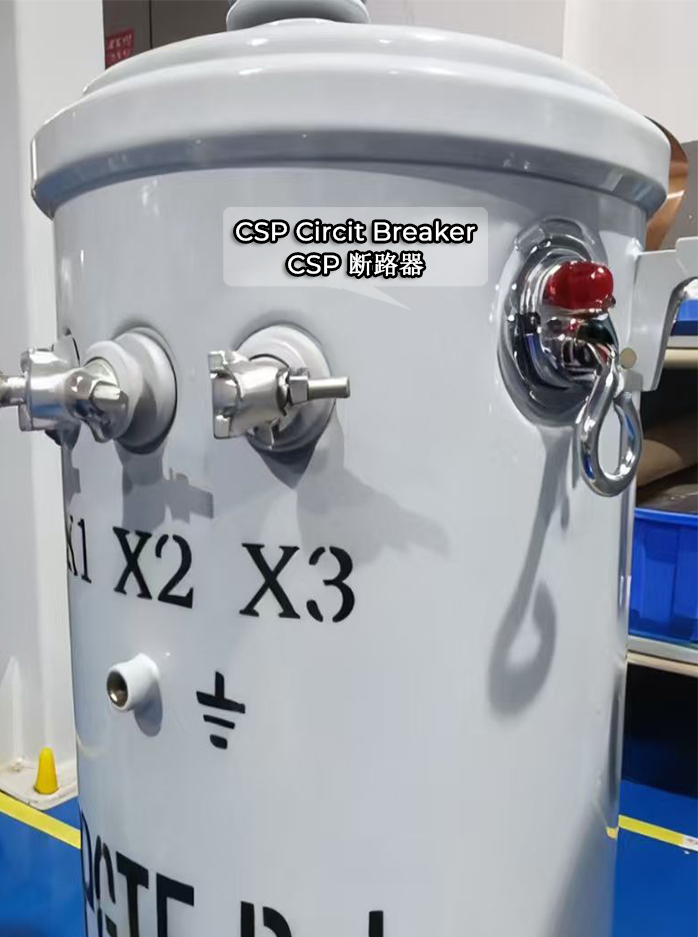
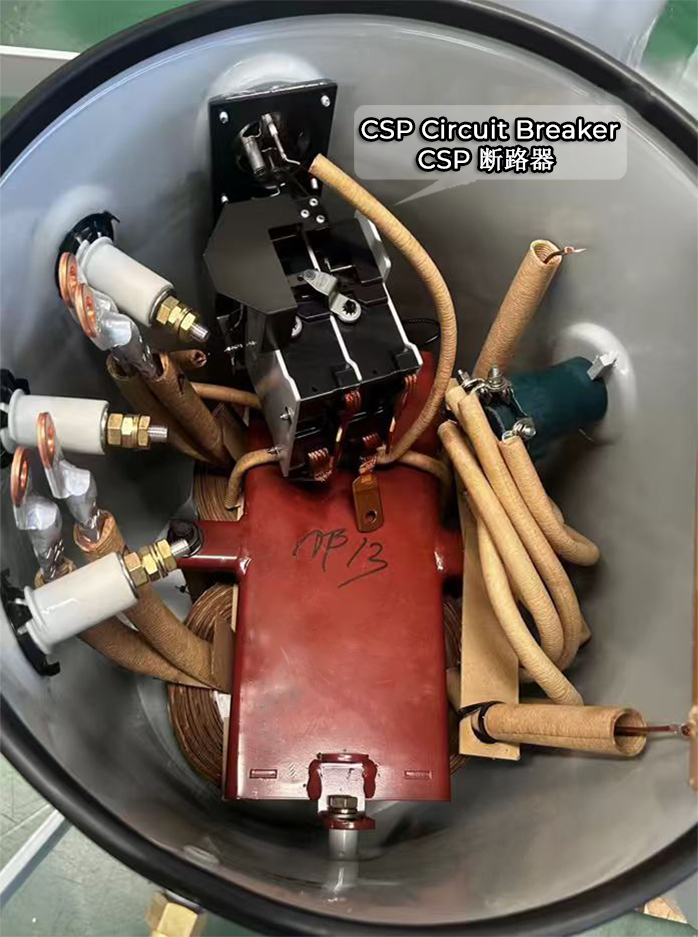
CSP Circuit Breaker
The CSP breaker is installed between the transformer’s low-voltage winding and the secondary bushing, ensuring that all secondary load current flows through its bimetal element and main contacts. By utilizing the thermal effect of the built-in bimetal strip for overload protection and the electromagnetic action of the magnetic trip for short-circuit response, the breaker can quickly interrupt fault currents and provide reliable protection for the transformer.
Capacity Range: 5KVA-300KVA
Special contact material | High interrupting capability | Compact design
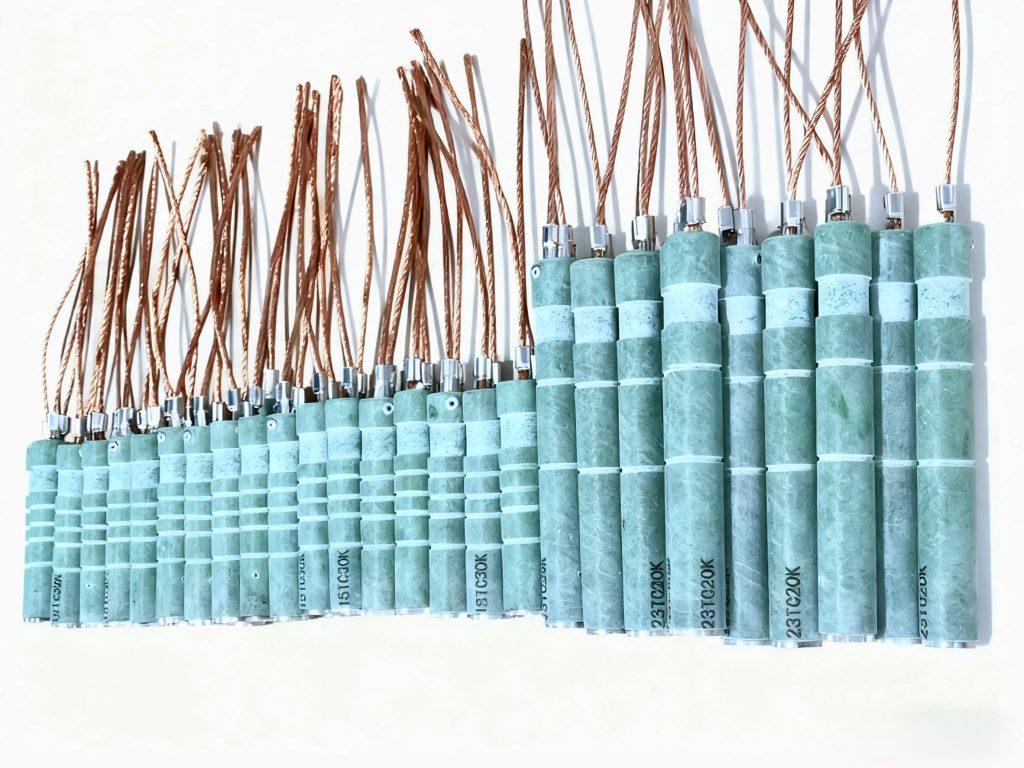
HV Expulsion Fuse
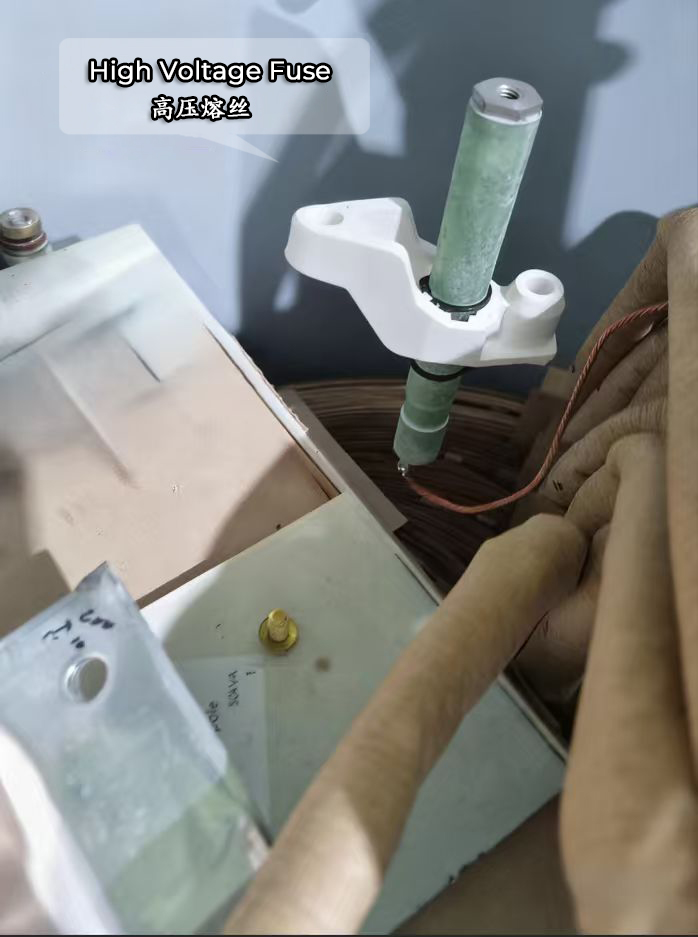
Ketrans HV (High Voltage) Weak Link fusible is a specialized expulsion fuse,oil-immersed, designed for distribution transformers to protect the power system by isolating a failing transformer, acting as a “weak point” that blows on internal faults or extreme overloads.
Voltage range: 2.4kV to 34.5kV
Rapid isolation | cost-effective | safe and reliable
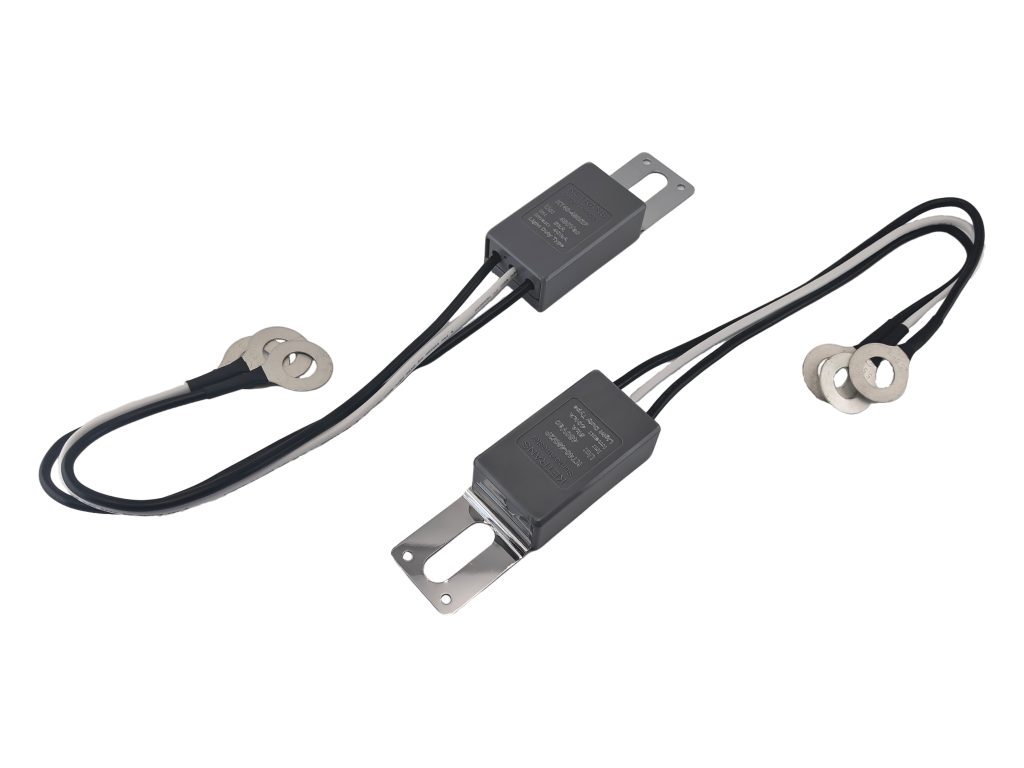
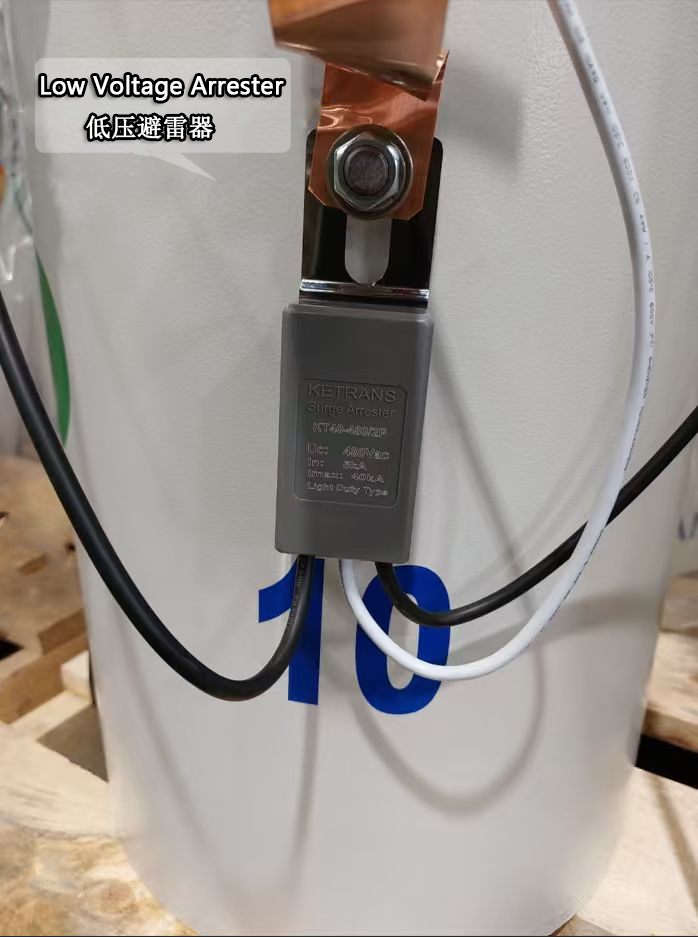
LV Lightning Arrester(Rod)
A surge protector (SPD) is a key device used to protect low-voltage power distribution systems and equipment from damage caused by transient over-voltages (such as surges generated by lightning strikes or switching operations). It primarily utilizes the operating characteristics of nonlinear resistive elements (such as metal oxide varistors, MOVs, and gas discharge tubes) to achieve protection.
Lower cost | Fast response time | Improved security
Why CSP Components Matter in Distribution Transformers?
– Lower failure rate
– Minimal maintenance required
– No external fuses/circuit breakers needed
– Faster fault isolation
– Safer
– Longer lifespan
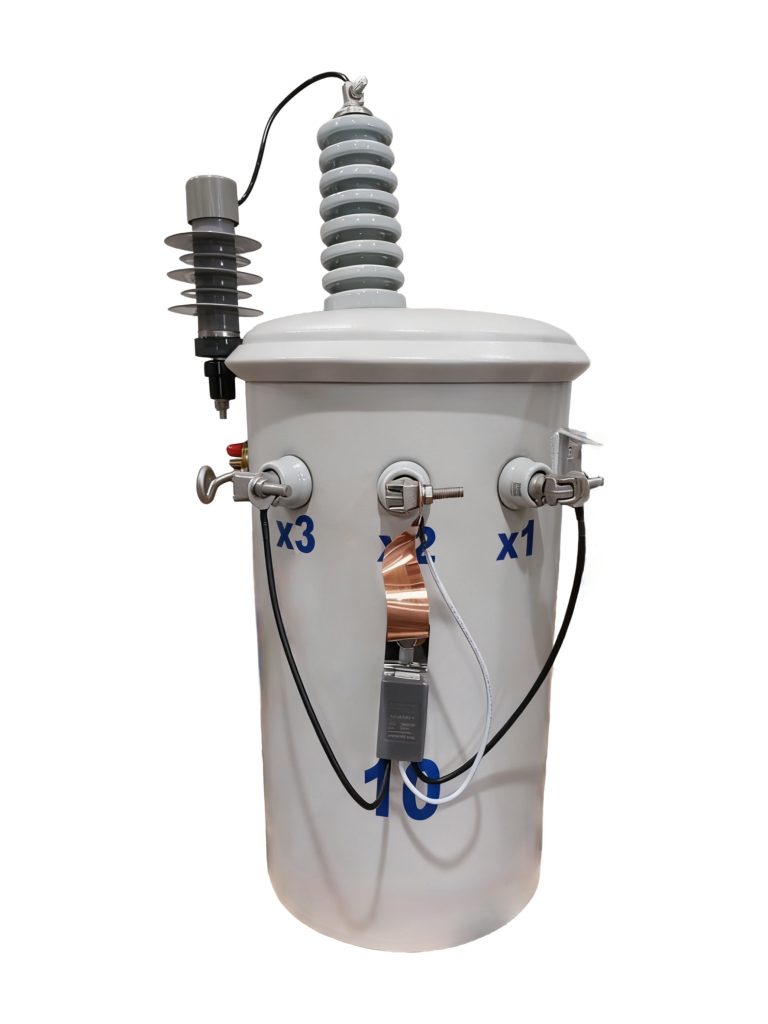
CSP Components Application in Transformer
Take a look at how our CSP components are used in high-performance distribution transformers, CSP technology mitigate the operation and maintenance problems associated with conventional transformers.
Working Principle
Low voltage arresters primarily utilize the working characteristics of non-linear resistive elements (e.g., Metal Oxide Varistors (MOVs), gas discharge tubes, etc.) to provide protection:
- Normal Operation (High Impedance): Under normal power frequency voltage (e.g., 220V/50Hz or 120V/60Hz), the arrester presents extremely high impedance, acting like an open circuit. Virtually no current flows through it, and it does not affect the normal operation of the system.
- Overvoltage Event (Low Impedance): When a transient overvoltage occurs in the circuit (e.g., a lightning surge), the voltage across the arrester rapidly increases and exceeds its “activation voltage” (clamping voltage or varistor voltage). At this point, the impedance of the internal non-linear resistive element drops sharply and instantaneously into a low-impedance state.
- Shunting and Voltage Limiting: The arrester quickly conducts the massive surge current safely to the ground via the grounding wire, thereby clamping the voltage across the protected equipment to a relatively safe, low level (known as the residual voltage).
- Return to Normal (Auto-Reset): Once the overvoltage event ends and the voltage returns to normal power frequency levels, the arrester automatically restores to its initial high-impedance state, and the circuit resumes normal operation.
Key Advantages
The main advantages of Low Voltage Arresters (SPDs) include:
- Equipment Protection: By limiting overvoltages, they protect sensitive electrical and electronic devices (such as household appliances, motors, control systems, etc.) from damage, thereby extending their service life.
- Enhanced System Reliability: They prevent system interruptions and failures caused by power surges, ensuring the continuous and stable operation of critical facilities (such as hospitals or data centers).
- Reduced Maintenance Costs: They mitigate unexpected repair or replacement costs resulting from equipment damage, saving significant funds in the long run.
- Fire Hazard Prevention: Voltage surges can lead to equipment overheating or insulation breakdown, potentially causing electrical fires. Arresters reduce this risk by effectively suppressing the surge current.
- Wide Application & Easy Installation: Suitable for a wide range of low voltage applications, from residential homes to large industrial systems. They are typically installed in distribution boards or at equipment entry points, making installation relatively straightforward.
- Standards Compliance: Many modern SPD products comply with international and national electrical standards and regulations (such as IEC or IEEE), ensuring safety and regulatory compliance.
Key Characteristics
- Application: These links are typically oil-immersed and installed inside the transformer tank or mounted on a bushing.
- Function: They are the intentional “weak link” in the circuit, designed to melt and break the circuit when current exceeds a specific safety threshold.
- Voltage Range: They are available for a variety of medium to high voltage classes, such as 2.4kV up to 34.5kV.
- Protection Scheme: In many modern applications, a weak link is used in series with a back-up current-limiting fuse. The weak link clears low-current faults and overloads, while the current-limiting fuse handles high-current faults, ensuring comprehensive protection and proper coordination.
- Types: Some weak links are “dual-sensing,” meaning they sense both internal fault currents and transformer fluid temperature, adding another layer of protection against long-term heating caused by overloads.
Advantages:
1. Efficient Internal Fault Isolation
The main advantage is the ability to rapidly isolate a transformer experiencing an internal fault. By disconnecting the faulty equipment from the main grid, it helps to:
Limit Damage: Prevent the fault current from causing more extensive damage to upstream feeders, switchgear, or adjacent transformers.
Improve System Reliability: Allow the rest of the electrical grid to continue operating normally, reducing the scope of the power outage.
2. Cost-Effective
Compared to complex circuit breakers and relay protection systems, the weak link fusible is a relatively simple and lower-cost protection device. It offers an economical way to achieve essential, effective protection for transformers.
3. Safe and Reliable Oil-Immersed Design
Many weak link fuses are designed to operate while submerged in transformer oil. This design offers the following benefits:
High Arc Quenching Efficiency: Transformer oil is an excellent medium that effectively extinguishes the electric arc produced when the fuse blows, enhancing operational safety.
Compact and Concealed: Since they are installed inside the transformer, they save external space and are well-protected from external environmental factors (such as harsh weather or physical damage).
4. Coordinated Protection with Current-Limiting Fuses
In modern protection schemes, the weak link fuse is often coordinated with external (or series-connected) current-limiting fuses. This combination provides:
Broad-Spectrum Protection: The weak link fuse clears low-current overloads and minor internal faults, while the current-limiting fuse handles extremely high short-circuit currents. Together, they cover all fault conditions from slight overloads to catastrophic short circuits.
5. Relatively Simple Installation and Maintenance
For fuses using a Bay-O-Net design, technicians can perform field replacements without needing to open the main transformer tank, which significantly simplifies the maintenance process.
In summary, the advantages of the HV Weak Link fusible are found in the economical, reliable, and compact way it provides critical internal fault protection and system isolation capabilities for distribution transformers.
Summary
Selecting high-quality CSP components is not only a matter of meeting industry standards (such as IEC, IEEE), but also the most responsible investment in the stability of the power system and the safety of equipment assets.
Whether you are a power engineer, procurement professional, or equipment maintenance expert, understanding the functions and synergy of these core components is crucial for maintaining reliable electrical infrastructure.
Contact Us for more detailed specifications, selection guides, and pricing information on CSP components.